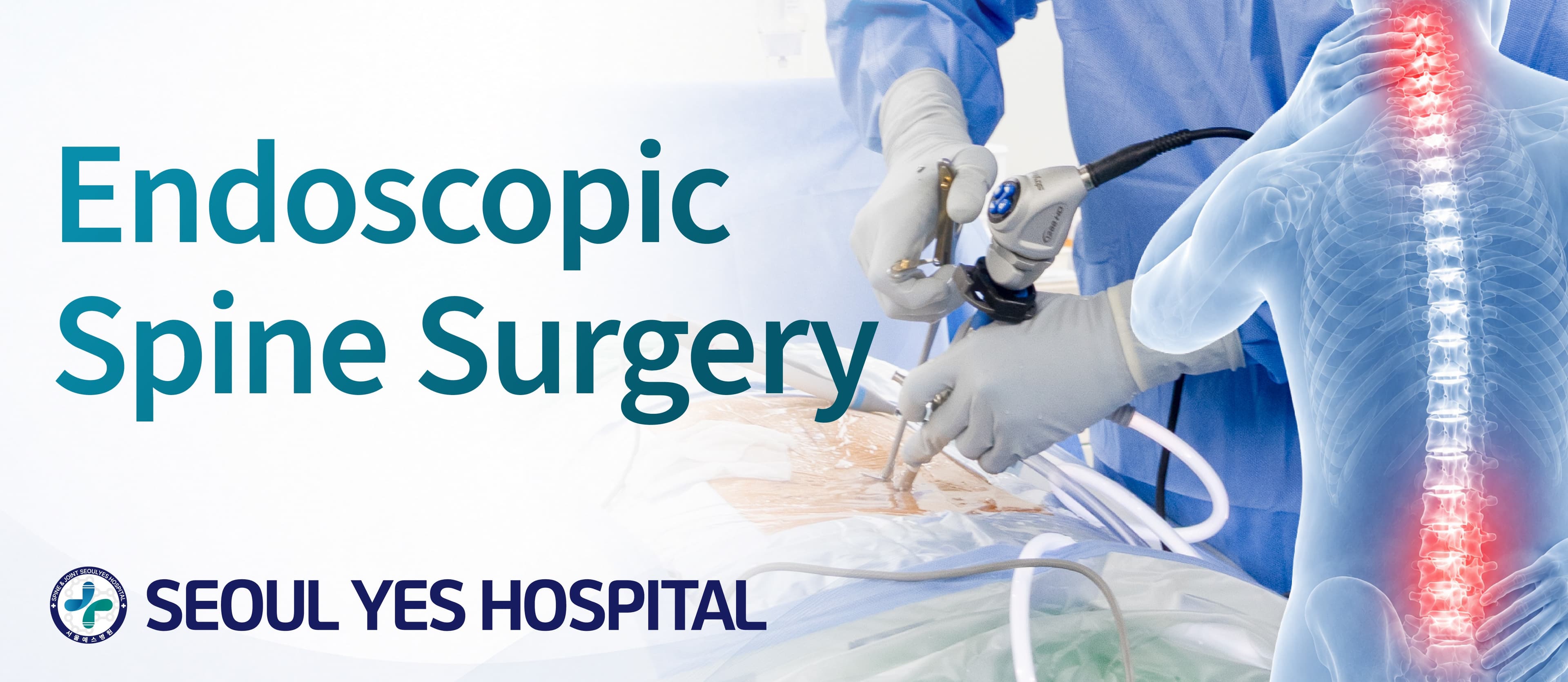
Spinal endoscopic surgery
Option A
Spinal endoscopic surgery
Option Information
Select Reservation Date
Up to 3
Hospital Location
2736 Yonggu-daero, Suji-gu, Yongin-si, Gyeonggi-do, South Korea Seoul Yes Hospital Main Building
Spinal endoscopy is an advanced surgical procedure that involves inserting an ultra-small spinal endoscope to identify the lesion site and treat neck and lumbar conditions without an incision. A specially designed 0.7cm high-definition ultra-small endoscope is inserted into the lower back like an injection, allowing the medical team to directly visualize the lesion and fundamentally treat spinal conditions such as herniated discs and spinal stenosis. By accurately accessing the lesion site through the endoscope and widening the narrowed nerve area of the spine, it treats lower back and leg pain, enabling fundamental treatment rather than temporary relief. Spinal regional anesthesia is used, reducing the burden of anesthesia, and patients are able to walk two hours after the surgery. * Prognosis may vary depending on the individual.
Treatment information is for reference only and may vary depending on individual conditions. For accurate details, please consult with the facility.
Recommended for
- Patients with intractable disc herniation (herniated intervertebral disc) and spinal stenosis
- Patient with symptoms of toe and ankle paralysis
- Patient with bowel and bladder dysfunction
- A patient with recurrent spinal stenosis
- Patient complaining of severe lower back pain
Procedure Benefits
- The surgery is performed through a small 0.7cm incision without skin cutting, resulting in almost no bleeding.
- Compared to traditional open surgery, the postoperative scar is significantly smaller, and there is almost no damage to muscles or normal tissue, resulting in a faster recovery and a shorter hospital stay.
- This surgery can be performed under local anesthesia, making it accessible without restriction even to elderly patients or those with chronic conditions such as diabetes or hypertension.
- The length of stay is short, about 2 days and 1 night (depending on the patient's condition).
Risks and Notes
After surgery, the surgical site may experience heat, swelling, infection, complications, or radiating pain, so continuous management is required. Recovery varies by individual depending on the patient's health status and characteristics. It is essential to ensure the patient is fully aware of post-operative precautions and contraindications to prevent side effects.
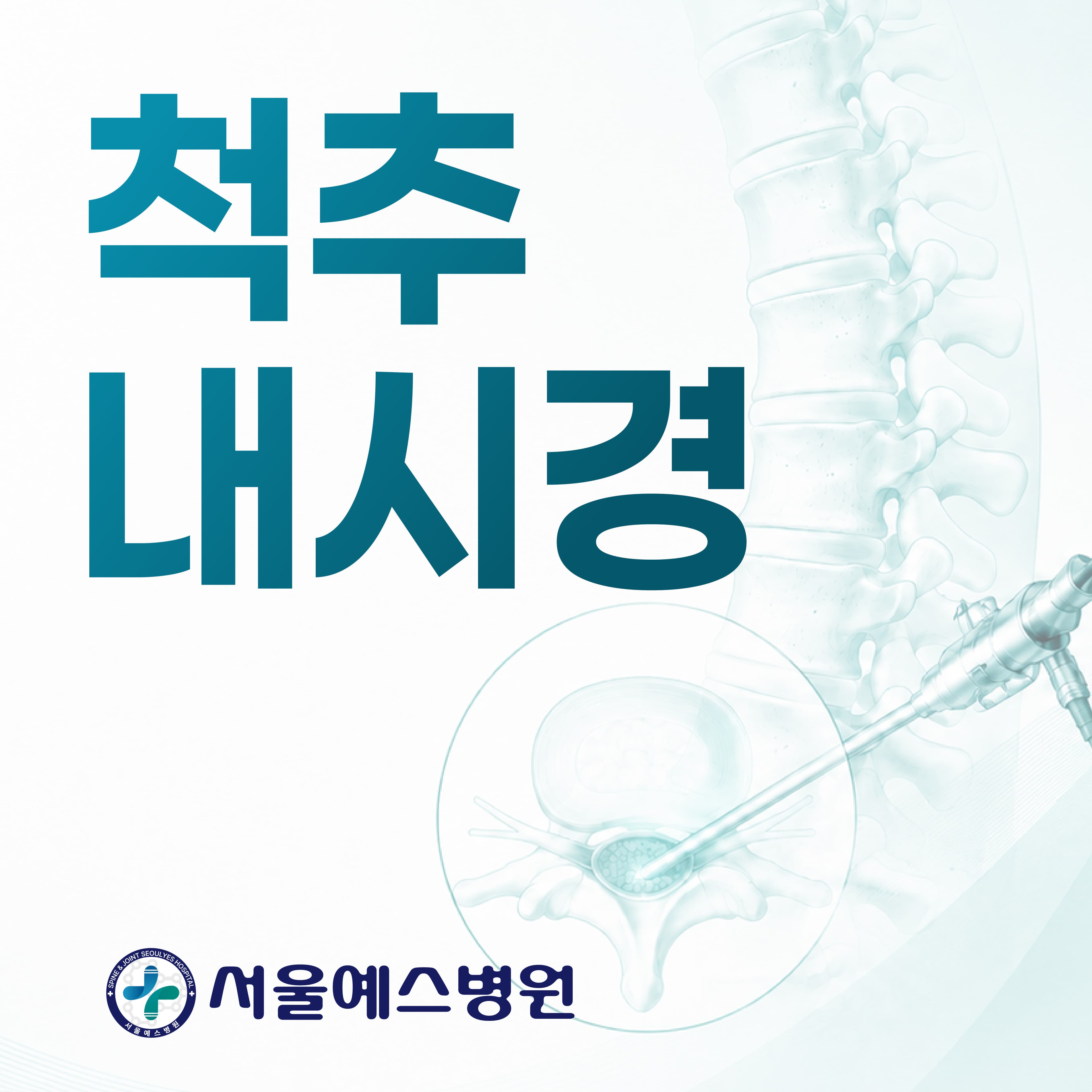
Spinal endoscopy is a treatment method that involves inserting a 0.7cm high-definition ultra-small endoscope into the lower back, directly visualizing the area around the lesion, and using a laser or high-frequency device attached to the endoscope to directly remove herniated discs or widen narrowed spinal canals. It is a state-of-the-art treatment method that minimizes damage to existing tissue due to the small incision size, reduces the burden of anesthesia, and allows for a shorter hospital stay and faster recovery.
Q&A
Select Option
Spinal endoscopic surgery