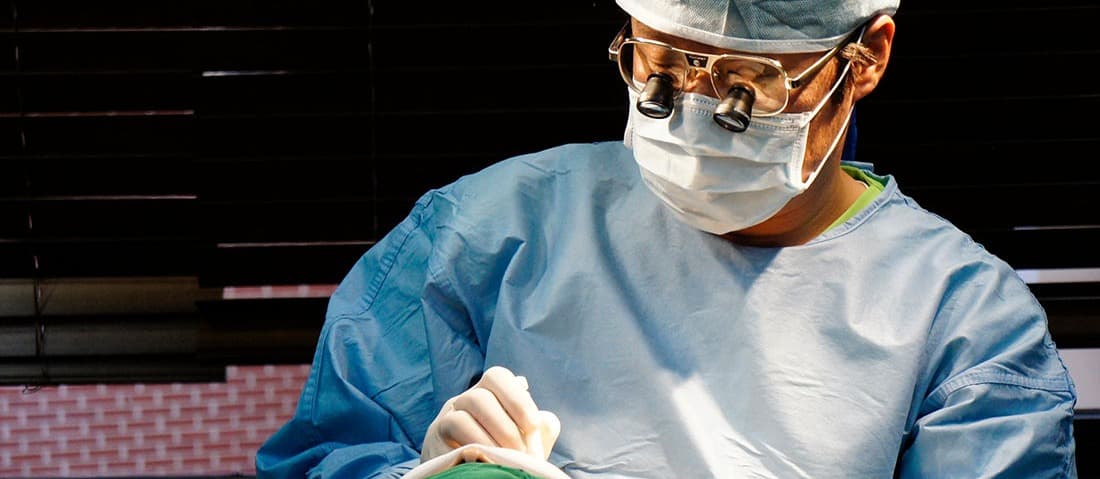
FUT scalp scar Hair transplant
Option A
FUT scalp scar Hair transplant 1,500 grafts
Consultation and design, scalp scar Hair transplant surgery, including step-by-step post-operative care (Day 2 post-op: bandage removal, shampoo, and disinfection; Days 4-5: shampoo and disinfection; Days 10-12: suture removal; starting 1 month post-op: scalp care sessions every 2 weeks for a total of 8 sessions)
Option Information
Select Reservation Date
Up to 3
Hospital Location
2118 Dalgubeol-daero, Jung-gu, Daegu, South Korea Yemian Tower, 3rd/4th floor
Scar Hair transplant is a Hair transplant method that aims to improve the appearance of scars where hair does not grow or has been partially lost due to accidents, surgeries, burns, etc., by transplanting healthy hair follicles into the scarred area. It can be considered for scars not only on the scalp but also in areas where hair exists, such as the hairline. Before surgery, the feasibility and scope of the transplant are determined by comprehensively assessing the location and size of the scar, skin elasticity, depth, degree of fibrosis, and the condition of surrounding hair. Because scar tissue may have different blood flow and tissue conditions compared to normal scalp, it can be less favorable for hair follicle engraftment than a typical Hair transplant. Therefore, it is important to thoroughly assess the condition of the scar and establish a personalized transplant plan that considers the direction and density of surrounding hair. If the scar is wide, instead of proceeding directly with Hair transplant, a method of reducing the scar area through scar revision surgery followed by Hair transplant in the necessary areas may be considered. Additionally, depending on the extent of the scar and the condition of the tissue, additional transplants may be required if it is difficult to achieve sufficient density with a single transplant session. The exact surgical method, the number of grafts, and the necessity of additional surgery are determined through consultation with the medical team after assessing the condition of the scar and the available donor hair from the occipital region.
Treatment information is for reference only and may vary depending on individual conditions. For accurate details, please consult with the facility.
Recommended for
- For those who have scarring that prevents hair growth due to an accident or trauma
- Individuals experiencing partial hair loss due to post-surgical scarring
- For those who are unable to grow hair in specific areas due to burns or other causes
- For those concerned about scalp scars being visible between surrounding hair
- For those who wish to naturally cover a scar by transplanting hair into the affected area
Procedure Benefits
- You can naturally cover the scarred area: By transplanting hair follicles into the scar, we improve it so that it blends naturally with the surrounding hair.
- Personalized transplantation is possible: We plan the scope and density of the transplant by considering the size and location of the scar, skin condition, and the direction of the surrounding hair.
- It can be considered for various types of scars: we will assess the condition of scars where hair loss has occurred due to accidents, surgery, burns, etc., to determine the appropriate transplantation method.
Risks and Notes
✔️ On the day of surgery, it is recommended to sleep in a supine position to reduce bleeding and swelling. You may use a neck pillow if necessary. ✔️ Apply a cold compress around the eyes, eyebrows, and temples for approximately 5 days after surgery. Please be careful not to press or irritate the transplanted area directly. ✔️ Please take the prescribed medication according to the instructions provided. If you experience any discomfort such as heartburn or diarrhea while taking the medication, please contact the clinic. ✔️ You may wash your face starting from the 5th day after surgery. Until 2 weeks post-surgery, please be careful not to rub or scratch the transplanted area to avoid irritating the transplanted hair follicles.
Q&A
Select Option
FUT scalp scar Hair transplant 1,500 grafts
Consultation and design, scalp scar Hair transplant surgery, including step-by-step post-operative care (Day 2 post-op: bandage removal, shampoo, and disinfection; Days 4-5: shampoo and disinfection; Days 10-12: suture removal; starting 1 month post-op: scalp care sessions every 2 weeks for a total of 8 sessions)