Traveling to Korea During the Season Change — Start with Your Immunity
2026.10.12
Autumn in Korea is warm during the day and chilly in the mornings and evenings. It's a great season for travel, but during the seasonal transition, the body tends to tire easily and infectious diseases increase. This article introduces the infectious diseases to watch out for in Korea this autumn, everyday immune management tips, and the Korean custom of visiting Korean medicine clinics during seasonal transitions.
Why do we tire easily during seasonal transitions?
During seasonal transitions with large day-night temperature differences, it is hard for the body to keep its temperature stable. In addition, when dry air dries out the nose and bronchi, the ability to block viruses tends to weaken (per the National Health Insurance Service (NHIS) Health iN guidelines). This is why travelers facing long flights, jet lag, and tight schedules need to be especially careful.
Immune management practiced during travel
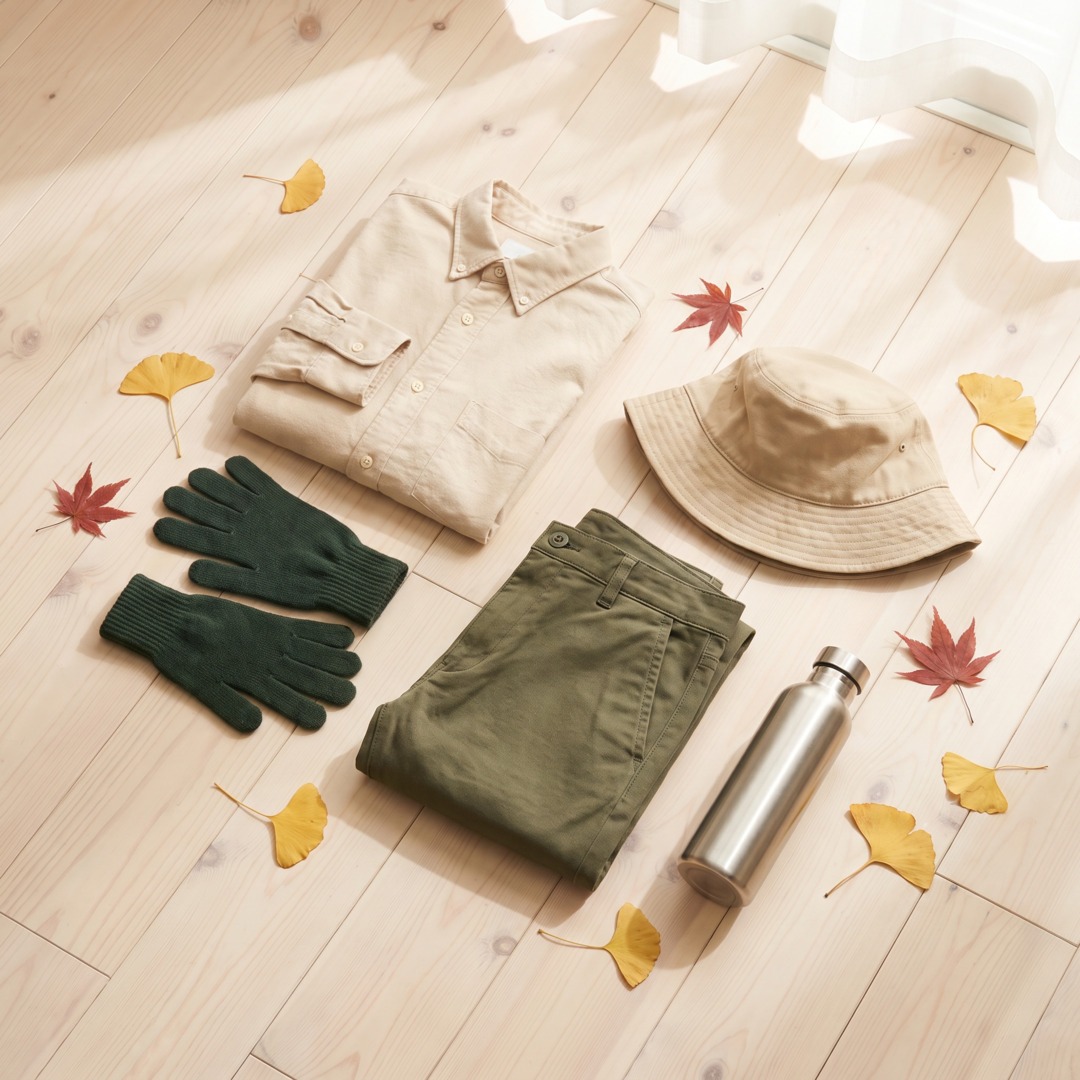
Basics matter more than grand methods. Sleeping 7 to 8 hours a day, drinking at least 1.5 liters of water daily, and steadily doing aerobic exercise such as walking all help. Don't forget the habit of washing your hands first when you return to your accommodation (per the NHIS Health iN guidelines).
Korean-style seasonal transitions at Korean medicine clinics
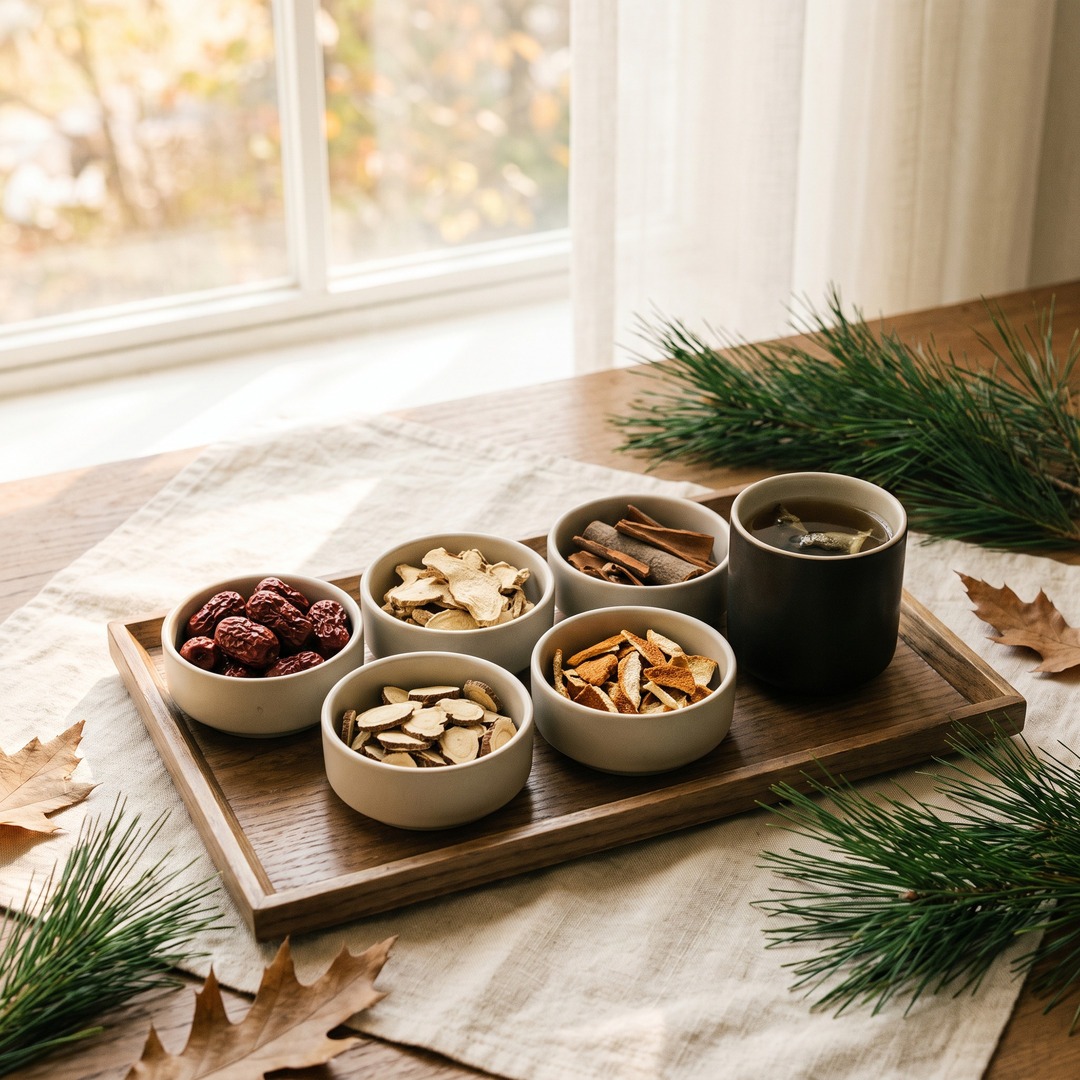
In Korea, there is a custom of visiting a Korean medicine clinic (a traditional Korean medicine practice) to check one's health condition when the seasons change. A Korean medicine doctor (hanui) is a licensed medical professional. At Korean medicine clinics, doctors check the pulse and consult on lifestyle habits, then manage conditions with traditional methods such as acupuncture (chim), moxibustion (tteum), and herbal medicine (hanyak). Preparing boyak, a tonic meant to replenish vital energy, or drinking traditional teas such as ssanghwa-cha is also a long-standing seasonal scene. Foreign interest is also growing: in 2025, foreign patients visiting Korean medicine hospitals increased by 65.7% compared with the previous year (Ministry of Health and Welfare (MOHW), announced April 2026). However, these are methods carried on from Korea's traditional health culture, results vary by individual, and consultation with a specialist is necessary.
During seasonal transitions, follow infection prevention guidelines and start with the basics of sleeping well and drinking well. If you want to experience Korea's immune management culture firsthand, check out the ongoing feature exhibition in the Tripdoc app now.