3D Dental implant that designs the final teeth to be completed before surgery
2026.10.26
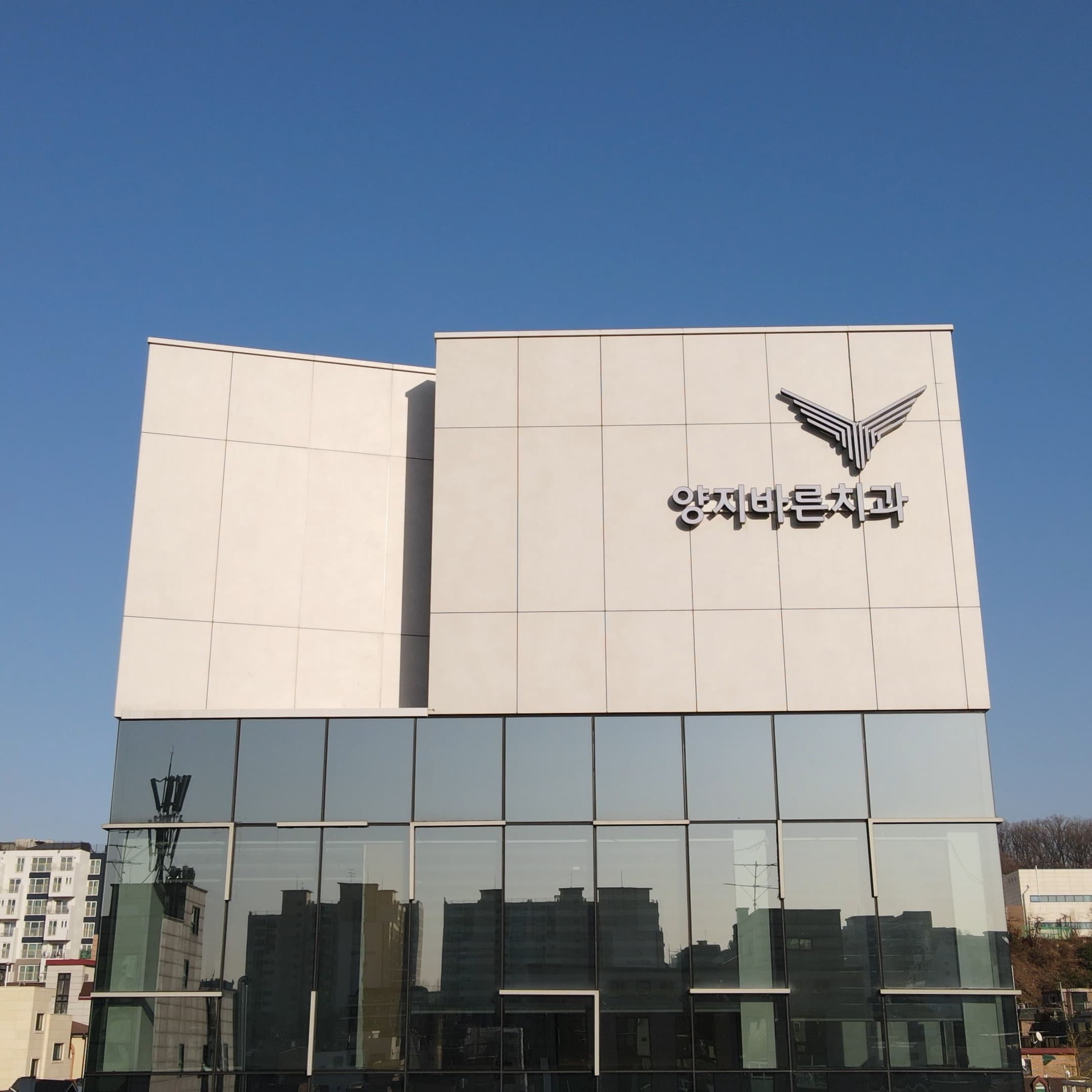
 Yangjibareun Dental Clinic
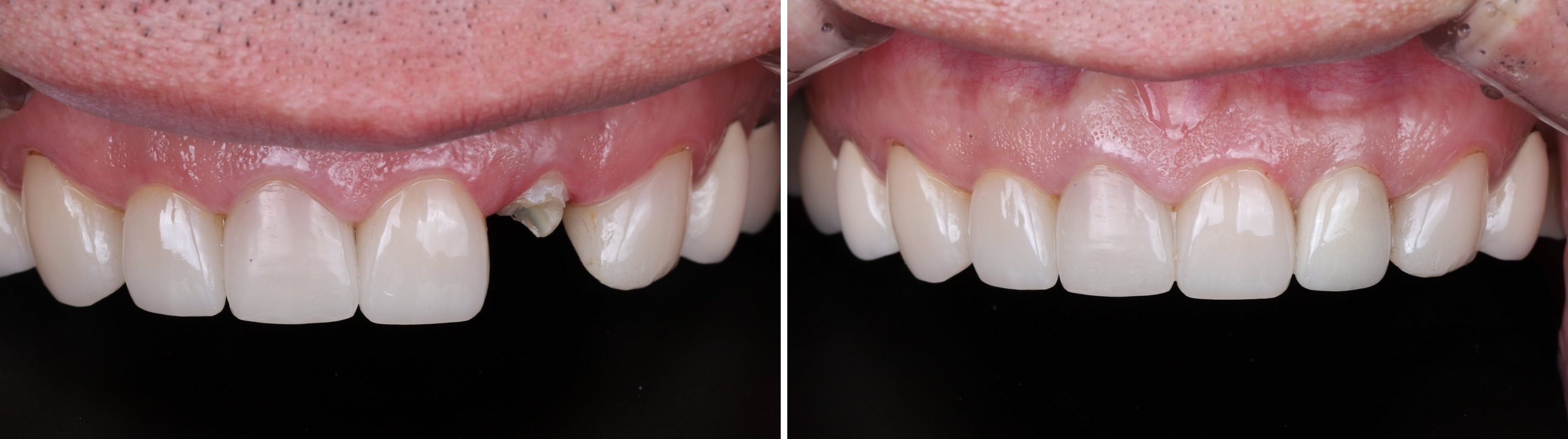
(This is a photo of a patient treated at the actual Yangjibarun Dental Clinic)
If the space left by a lost tooth is left untreated, not only does chewing function decline, but neighboring teeth may tilt toward the empty space and opposing teeth may drop down, affecting the entire dental arch.
Dental implant is a treatment in which an artificial root is placed in the missing tooth site and a prosthesis is attached on top to restore the function and appearance of the tooth.
■ What is 3D Dental implant?
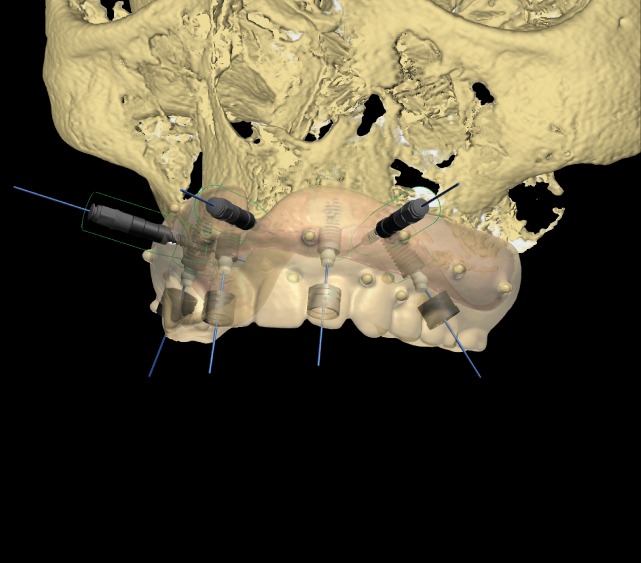
(This is a photo of a patient treated at the actual Yangjibarun Dental Clinic)
YANGJIBARUN's 3D Dental implant proceeds after first confirming the height and thickness of the jawbone and the position of nerves using 3D CT and the TRIOS3 digital intraoral scanner.
The shape of the completed tooth is digitally pre-designed, and the position and angle of the Dental implant are planned accordingly, with the focus on reducing the difference between the plan and the surgical result.
■ Four steps from diagnosis to prosthesis
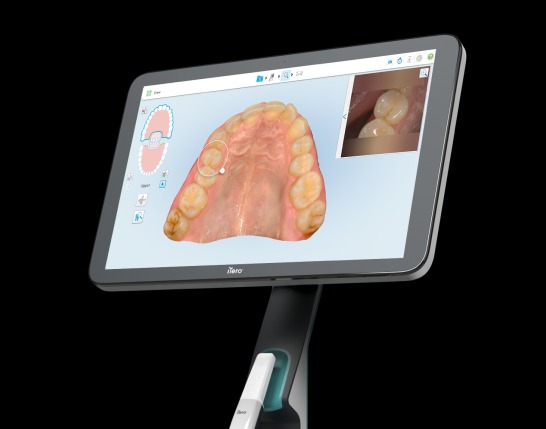
1. Precise diagnosis: Bone condition and tooth alignment are checked with 3D CT and intraoral scanning.
2. Digital design: The position, angle, and depth of the Dental implant are planned based on the shape of the completed tooth.
3. Navigation placement: The implant is placed while the position, angle, and depth are confirmed in real time during surgery using ISCOPE navigation.
4. Prosthesis after stability confirmation: The stability of integration with bone is measured numerically with Osstell Mentor, and then the timing for the prosthesis is determined.
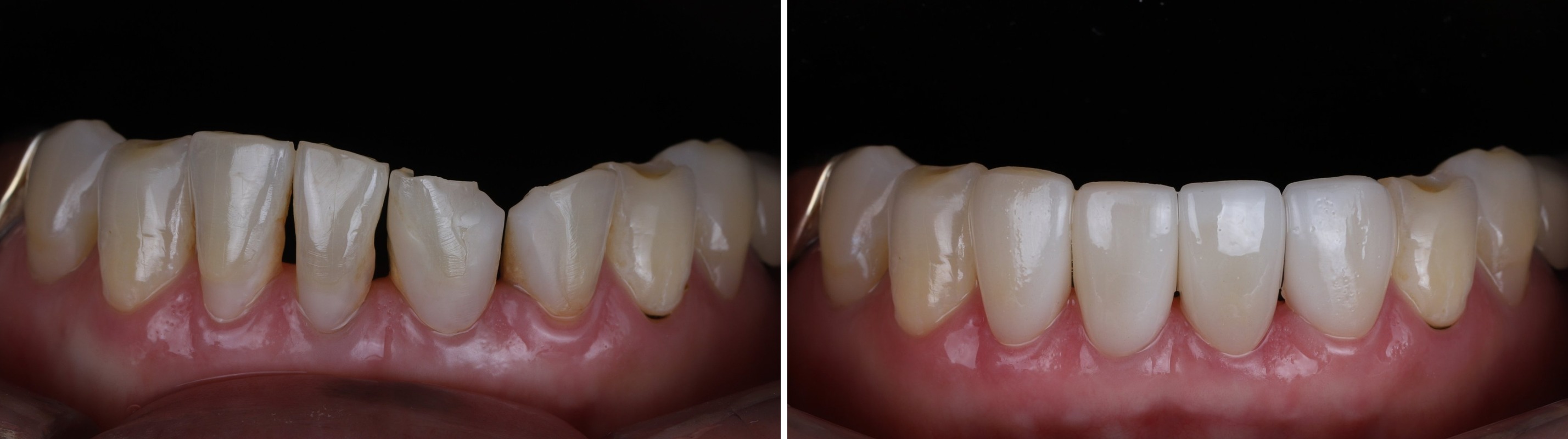
(This is a photo of a patient treated at the actual Yangjibarun Dental Clinic)
■ Anesthesia management for those afraid of dental treatment
Discomfort during anesthetic injection is reduced with Quicksleeper5 low-pressure anesthesia.
For those with significant fear, sedation treatment can be selected, and the entire process is monitored with a vital monitor.
■ Treatment plan tailored to your visit schedule
Dental implant requires a period to firmly integrate with the bone after placement,
and that period varies depending on bone condition and whether bone grafting is performed.
After precise diagnosis, we plan the treatment steps while considering your stay schedule in Seoul and the possible timing of re-visits.
■ Please check before the procedure
· If you smoke, have systemic diseases such as diabetes, or are taking medication, please let us know during consultation.
· If bone is insufficient, bone grafting may be needed as well, which may lengthen the treatment period.
· Temporary swelling or discomfort may occur after surgery.
· The treatment period and results may vary depending on individual oral conditions.
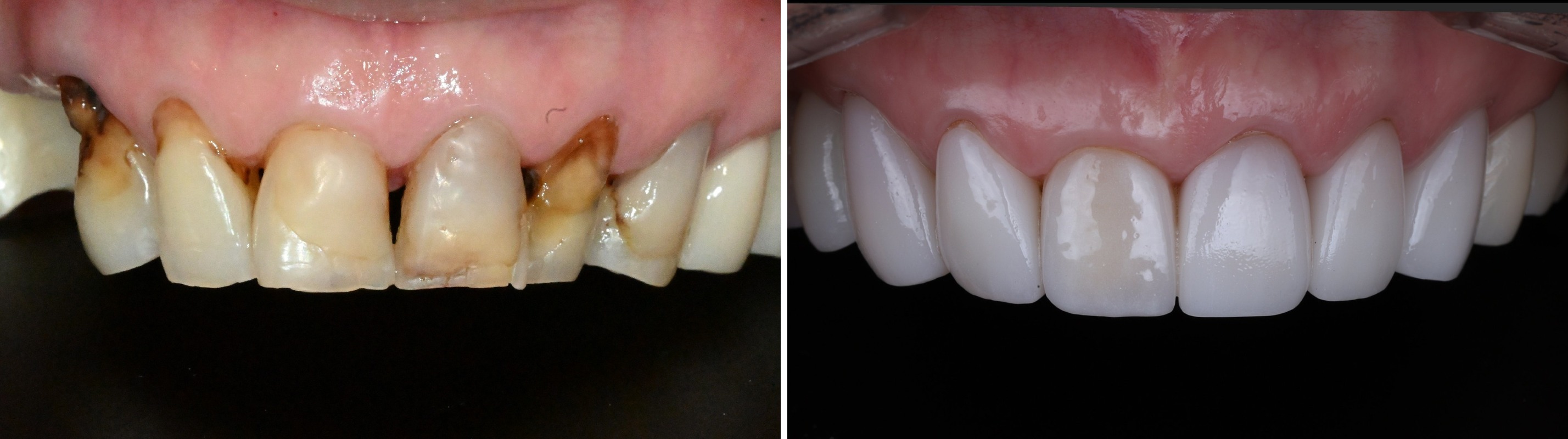
(This is a photo of a patient treated at the actual Yangjibarun Dental Clinic)
■ Frequently asked questions
Q. Is treatment completed in a single visit?
A. Because a period of integration with bone is required, multiple visits are generally necessary. We plan the treatment steps according to your stay schedule.
Q. How long can Dental implant be used?
A. It depends on oral care habits, regular check-ups, and the condition of the gums and bite. Even after treatment, proper toothbrushing and regular check-ups are important.
■ Directions Yangjibarun Dental Building, 5th & 6th Floors, 118 Bangbae-ro, Seocho-gu, Seoul
Line 2 Bangbae Station Exit 4 · Line 7 Naebang Station Exit 2 · Parking available
Weekdays 10:00–18:00 / Saturday 10:00–15:00 (Lunch 13:00–14:00)
Yangjibareun Dental Clinic
View hospital profile